Duration:
10 Weeks
Roles:
Designer,
Researcher
Industry:
Smart Devices
Tools:
Figma
Project Summary:
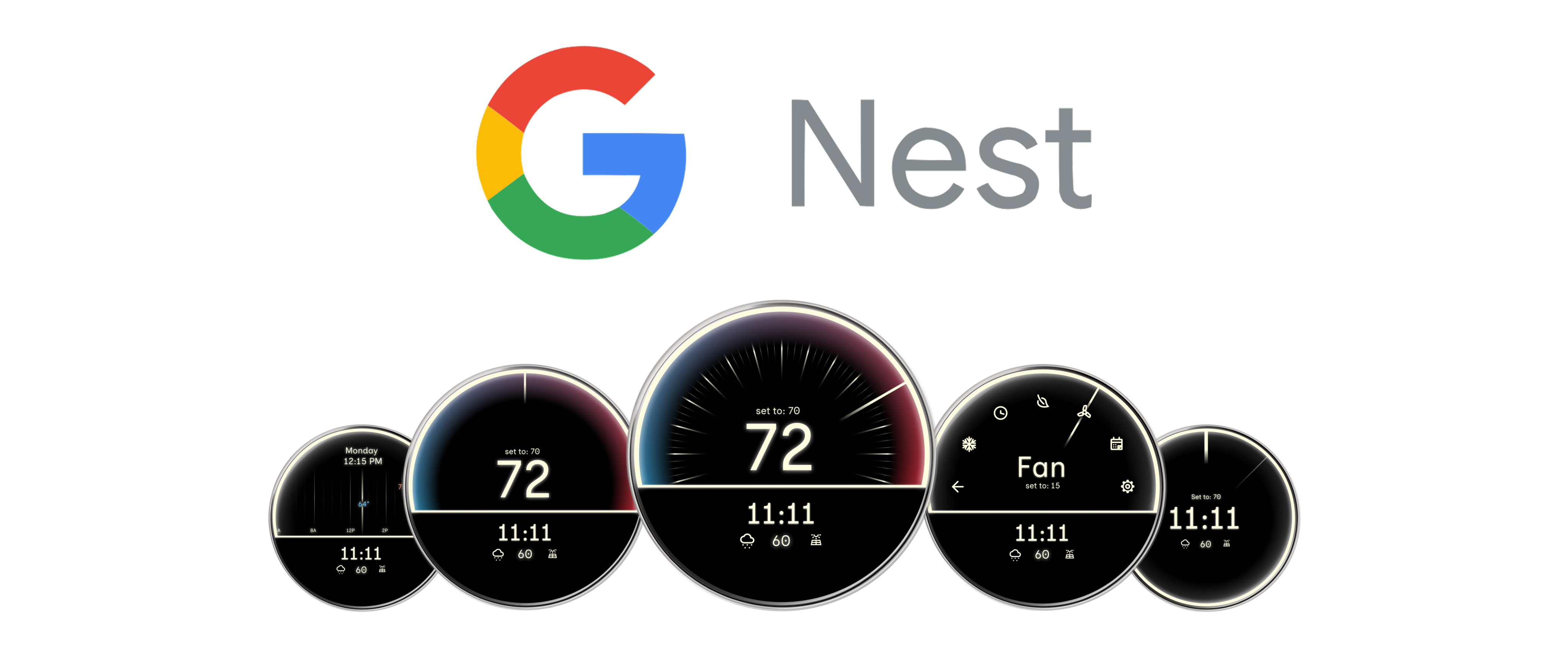
The objective of this project was to redesign the Google Nest Thermostat interface to create a product that feels cutting-edge, high quality, and empowering to users, justifying the price tag, and functioning as a status symbol.
01
Design Directives
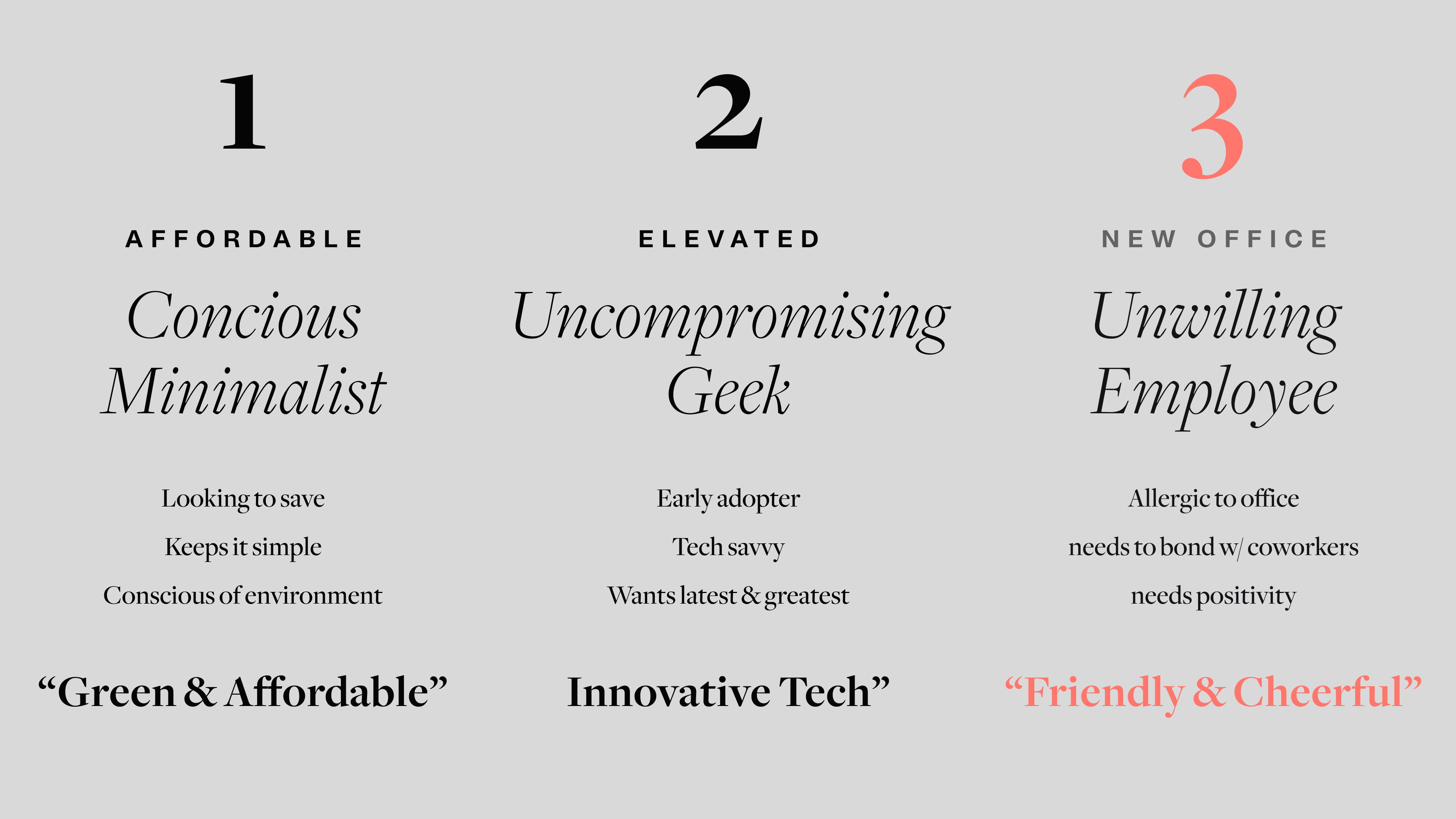
We began with three assigned target audiences—tech enthusiasts, eco-conscious users, and office professionals. To refine these groups, we developed mood-boards and built personas.
01
Moodboarding
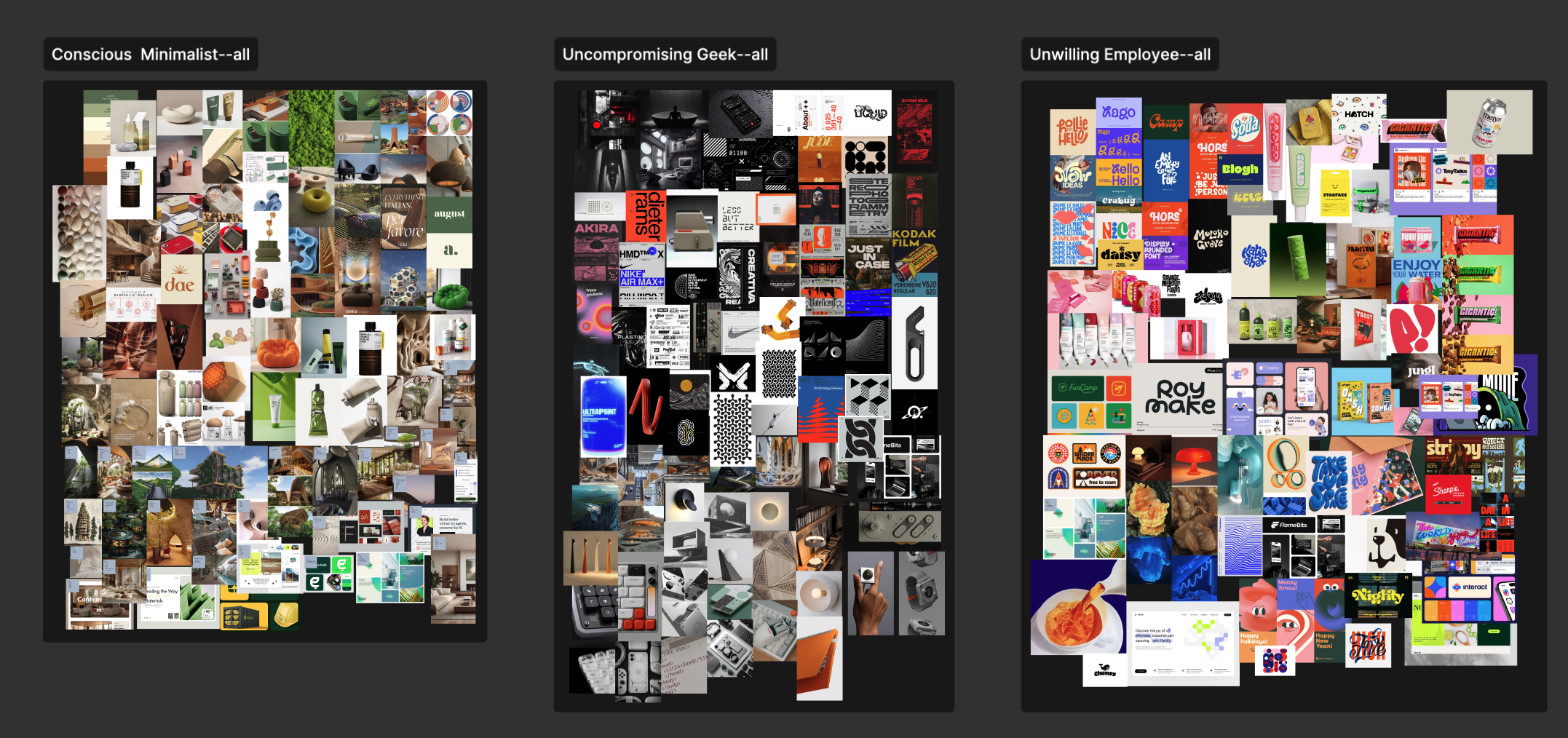
We began with three target audiences—tech enthusiasts, eco-conscious users, and office professionals. To refine these groups, we developed mood-boards and built personas.
02
Tabulation
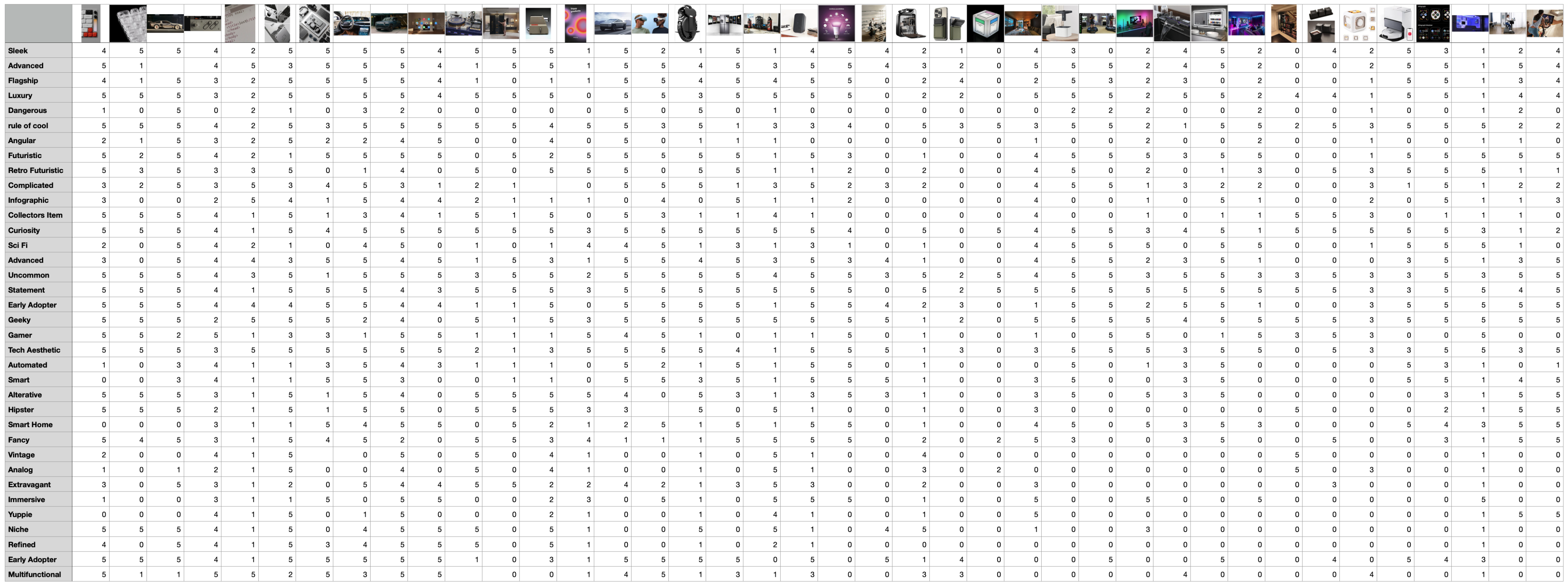
We began with three target audiences—tech enthusiasts, eco-conscious users, and office professionals. To refine these groups, we developed moodboards and using tabulation extracted key aesthetic keywords to guide our design direction as well as built detailed personas and words to guide our design.
03
Personas
Based on our Mood boarding and key terms derived from Tabulation, we developed 3 personas for whom we would be designing our products.

Audience - Eco-Phile
- Drives an electric vehicle, and is familiar with energy metrics and it’s impact on the environment
- Always checking nutritional labels, wants to know the details.
- Has a lot of plants, cares about optimizing the home environment for them.
- Owns a lot of environmentally friendly stuff and wants their thermostat to fit in.

Audience - Tech Evangelist
- Is a homebody with a spotless, showroom-like home.
- Every gadget purchase is an intimate relationship.
- Lives in a smart home utopia, with the thermostat as the central hub.
- - Loves subtly **showing off** new tech and convincing others to join the smart home revolution.

Audience - Enterprise
- Employee that would change the thermostat in secret.
- Employee that’s scared to mess with the thermostat in a shared space.
- Employee who’s specifically not allowed to touch the thermostat but needs to be heard.
- Manager who wants to keep everyone happy
- Employee that couldn’t care less
- Exec that only cares about savings
0f
Final Deliverables
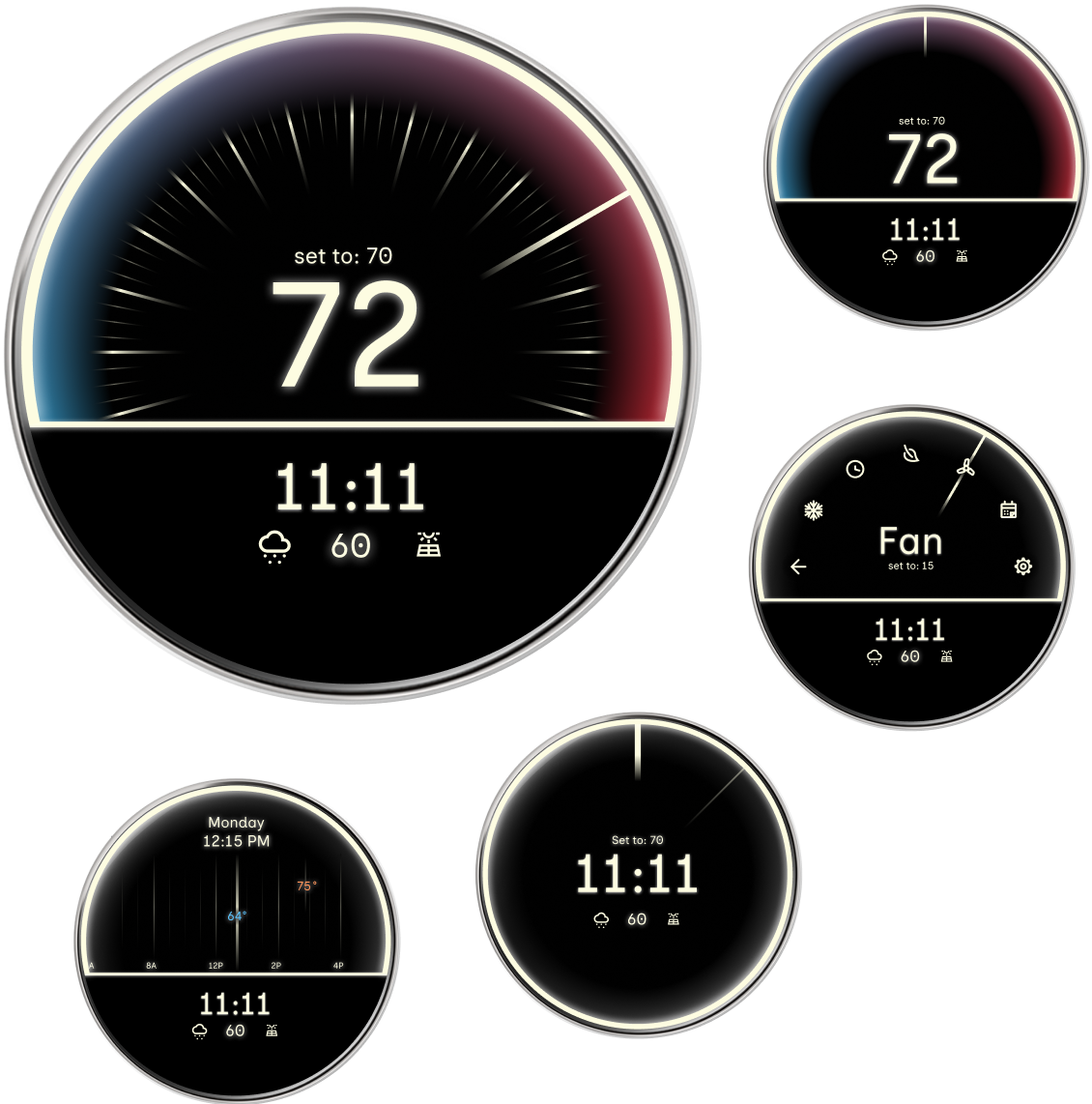
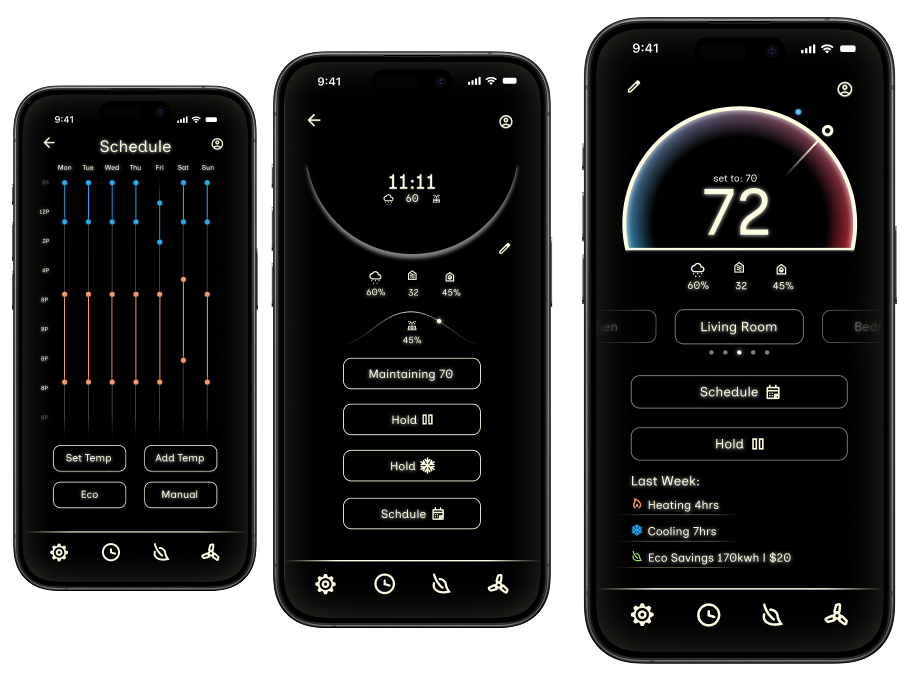
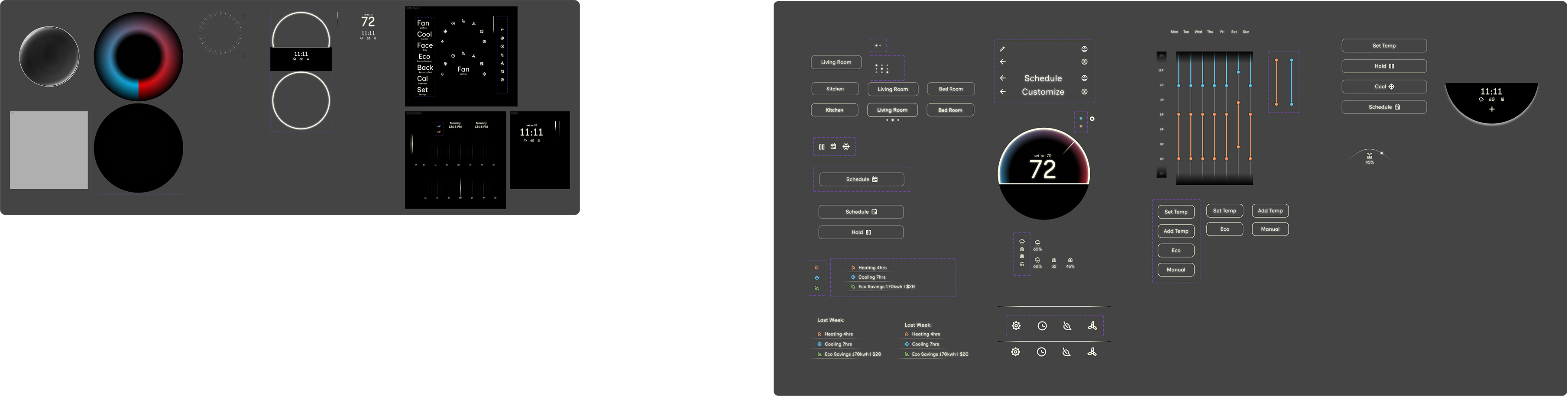
For each of our products we prepared our work for developer handoff by making sure that every element in our designs was a component, that was properly labeled for developers.

Duration:
10 Weeks
Roles:
Designer,
Researcher
Industry:
Smart Devices
Tools:
Figma
Project Summary:
The objective of this project was to redesign the Google Nest Thermostat interface to create a product that feels cutting-edge, high quality, and empowering to users, justifying the price tag, and functioning as a status symbol.
01
Design Directives
We began with three assigned target audiences—tech enthusiasts, eco-conscious users, and office professionals. To refine these groups, we developed mood-boards and built personas.
01
Moodboarding
We began with three target audiences—tech enthusiasts, eco-conscious users, and office professionals. To refine these groups, we developed mood-boards and built personas.
02
Tabulation
We began with three target audiences—tech enthusiasts, eco-conscious users, and office professionals. To refine these groups, we developed mood-boards and built detailed personas. Finally, we organized our mood-board images into a table and extracted key aesthetic keywords to guide our design direction.
03
Personas
Based on our Moodboarding and
Audience - Eco-Phile
- Drives an electric vehicle, and is familiar with energy metrics and it’s impact on the environment
- Always checking nutritional labels, wants to know the details.
- Has a lot of plants, cares about optimizing the home environment for them.
- Owns a lot of environmentally friendly stuff and wants their thermostat to fit in.
Audience - Tech Evangelist
- Is a homebody with a spotless, showroom-like home.
- Every gadget purchase is an intimate relationship.
- Lives in a smart home utopia, with the thermostat as the central hub.
- - Loves subtly **showing off** new tech and convincing others to join the smart home revolution.
Audience - Enterprise
- Employee that would change the thermostat in secret.
- Employee that’s scared to mess with the thermostat in a shared space.
- Employee who’s specifically not allowed to touch the thermostat but needs to be heard.
- Manager who wants to keep everyone happy
- Employee that couldn’t care less
- Exec that only cares about savings
0f
Final Deliverables
For each of our products we prepared our work for developer handoff by making sure that every element in our designs was a component, that was properly labeled for developers.

Milos Jankovic
Contact Me
Home
Play
About
Resume

Duration:
10 Weeks
Roles:
Designer,
Researcher
Industry:
Smart Devices
Tools:
Figma
Project Summary:
The objective of this project was to redesign the Google Nest Thermostat interface to create a product that feels cutting-edge, high quality, and empowering to users, justifying the price tag, and functioning as a status symbol.
01
Design Directives
We began with three assigned target audiences—tech enthusiasts, eco-conscious users, and office professionals. To refine these groups, we developed mood-boards and built personas.
01
Moodboarding
We began with three target audiences—tech enthusiasts, eco-conscious users, and office professionals. To refine these groups, we developed mood-boards and built personas.
02
Tabulation
Finally, we organized our moodboard images into a table and extracted key aesthetic keywords to guide our design direction and further refine our personas.
03
Personas
Based on our Mood boarding and key terms derived from Tabulation, we developed 3 personas for whom we would be designing our products.
Audience - Eco-Phile
- Drives an electric vehicle, and is familiar with energy metrics and it’s impact on the environment
- Always checking nutritional labels, wants to know the details.
- Has a lot of plants, cares about optimizing the home environment for them.
- Owns a lot of environmentally friendly stuff and wants their thermostat to fit in.
Audience - Tech Evangelist
- Is a homebody with a spotless, showroom-like home.
- Every gadget purchase is an intimate relationship.
- Lives in a smart home utopia, with the thermostat as the central hub.
- - Loves subtly **showing off** new tech and convincing others to join the smart home revolution.
Audience - Enterprise
- Employee that would change the thermostat in secret.
- Employee that’s scared to mess with the thermostat in a shared space.
- Employee who’s specifically not allowed to touch the thermostat but needs to be heard.
- Manager who wants to keep everyone happy
- Employee that couldn’t care less
- Exec that only cares about savings
0f
Final Deliverables
For each of our products we prepared our work for developer handoff by making sure that every element in our designs was a component, that was properly labeled for developers.